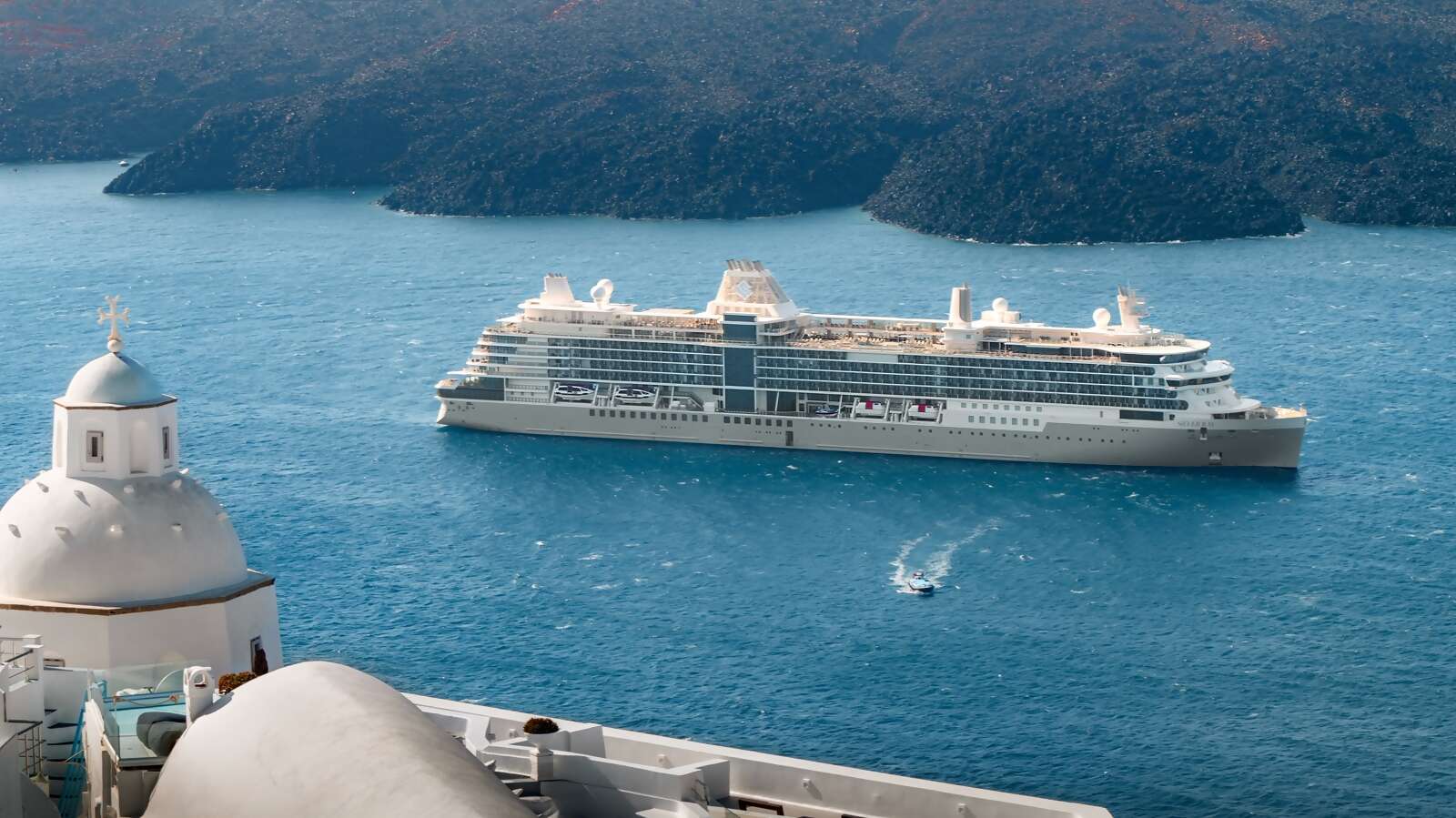
There are many reasons to be seduced by the islands of the eastern Mediterranean, especially the Greek Isles. For me, a life-long love affair with Greece started on my first backpacking trip, swimming at midnight off a pebbly beach in Paros, the moon so bright and the water so clear that I could see my shadow on the sea bed. I still maintain that there's no better lunch than fresh grilled fish, a Greek salad garnished with salty, herby feta and rich, green olive oil, and a pitcher of chilled retsina wine. In a waterfront taverna, of course.
This mesmerizing region has so many layers you'll never peel them all back, from archaeology to food, wine, nature and a sense of hospitality unlike anywhere else in the world. Here are 11 of my favorite ports — and many more reasons to visit this alluring region.
Athens
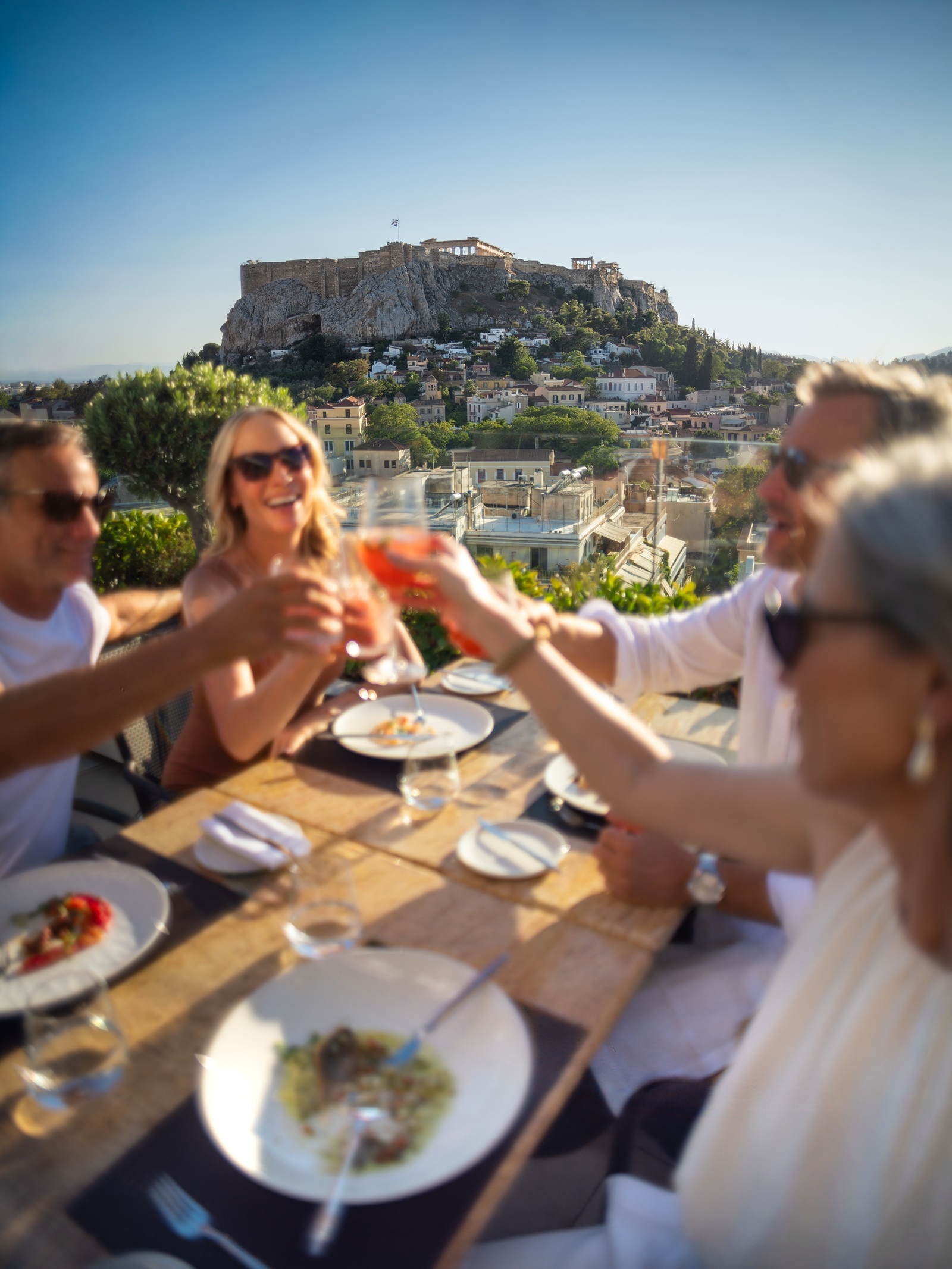
Where is it? The Greek capital sprawls over seven hills at the southern end of the Attica peninsula, on the Greek mainland.
What's it famous for? First and foremost, the graceful Parthenon, perched on the summit of Acropolis Hill and an icon of the city. But there's so much more. Greco-Roman antiquities are dotted all around the city center, while the museums are among Europe's finest; my absolute favorite is the ultra-modern Acropolis Museum, as much for its genius design as its miraculous contents, all finds from the slopes of the hill. You'll find street markets — Monastiraki is the best known — and an impressive culinary scene, many of the best restaurants enjoying views across the rooftops to the floodlit Parthenon.
Special discoveries: If you're in Athens for a few days, you'll be pretty exhausted after pounding the streets and touring the museums, especially in the heat. My favorite Athenian afternoon, having done the sights, is to hire a car and driver and head along the coast to Cape Sounion. It's about an hour's drive. Time the visit for before sunset and stroll up to the beautiful Temple of Poseidon. Lose yourself among the milky-white marble columns and gaze out to sea, where you can see the misty shapes of the northern Cyclades on a clear day, as the sun dips below the horizon. Then have your driver drop you at Sardelaki me Thea, a buzzing, modern fish taverna right on the water in Vouliagmeni, the Athenian Riviera, where Greeks head for sunshine, swimming and long, lazy meals at weekends. Waiters bring vast trays of mezedes (small hot and cold starters) and you just point at what you want. Leave room for the signature dish — grilled sardines cooked with tomatoes, potato and parsley.
Santorini
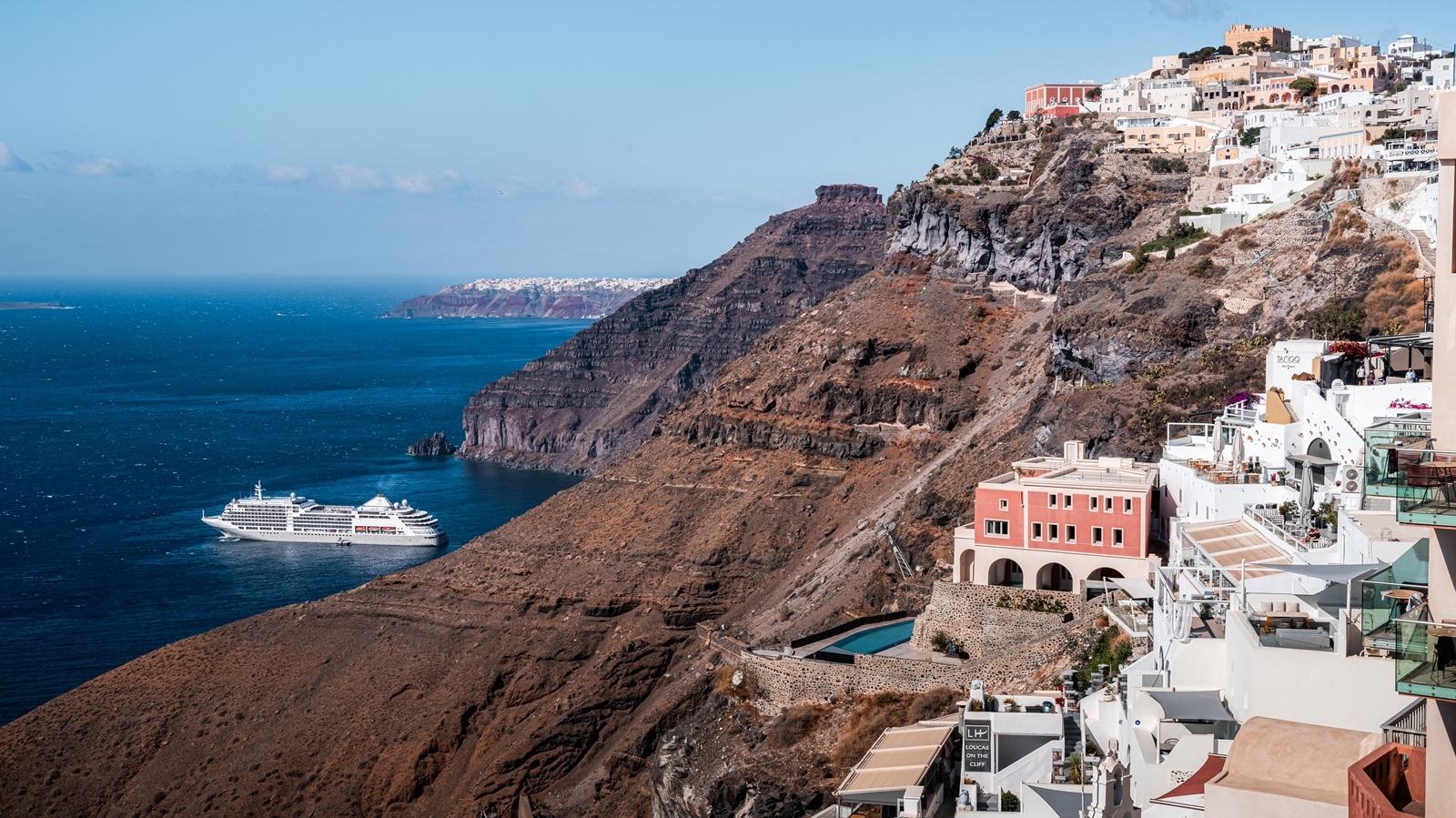
Where it is: The volcanic caldera of Santorini lies in the southern Cyclades, north of Crete. Also known as Thera or Fira, Santorini is actually the remaining rim of a once-vast volcano, curving in a semicircle with the tiny island of Nea Kameni at the center.
What's it famous for? First and foremost, those incredible sheer, black (and sometimes ochre and red) cliffs, falling into a sapphire sea so deep that ships can't anchor but instead, tie up to giant pontoons. The clifftop towns, Fira, the capital, and pretty Oia, at the northern tip of the curve, encapsulate the colors of the Cyclades: brilliant white, cube-shaped houses, churches with sky-blue domes and cascading bougainvillea in shocking pink. Views and fiery sunsets aside, the Bronze Age excavations at Akrotiri are extraordinary — and no visit is complete without sampling the island's excellent wines.
Special discoveries: Join a hike on Nea Kameni, the jumbled mass of black lava that squats in the middle of the caldera. You'll reach the crater in 40 minutes and gaze down into a pit of wispy, pungent fumes and yellow sulfur crystals. At Palea Kameni, the island's smaller sidekick, you can swim to a beach where the water is red from the iron ore in the rocks and 15 degrees warmer, like a tepid bath, fizzing with gas bubbling up from the sea bed.
On the main island, Oia is, in my opinion, more authentic than Fira and has the best photo opportunity — it's here you'll get that iconic shot of the blue-domed church. Try Roka for lunch, tucked away from the main street, with a pretty courtyard and uninterrupted views of the coast. Fava beans are an island specialty and here, they're served with smoked eel and samphire. For wine tasting, try Santo, near Pyrgos; as well as excellent vintages, the sunny terrace has stupendous views.
Mykonos
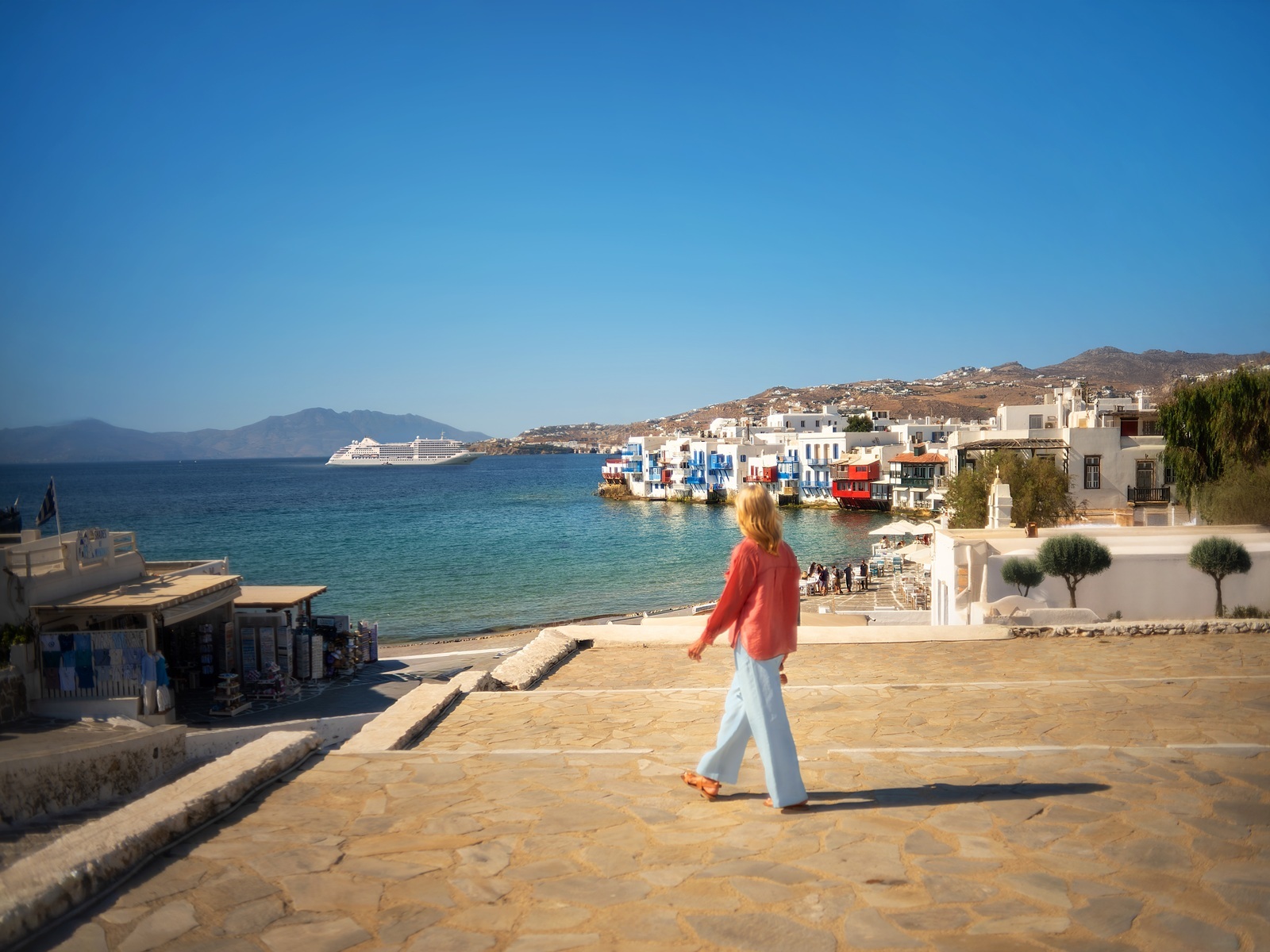
Where it is: Mykonos lies in the Cyclades island group and is characterized by its brilliant white architecture, windmills and beaches.
What it's famous for: For decades, Mykonos has shone for its vibrant nightlife, beaches catering to all tastes and some very high-end restaurants and shopping.
Special discoveries: Dreamy Delos, Mykonos' little sister, is the antidote to the hedonism of the main island, a UNESCO World Heritage Site and the mythical birthplace of the gods Apollo and Artemis. Lose yourself here among rocky walkways, where wildflowers grow in the ruins of Doric temples and the view from the top gazes down on a Greek amphitheater and what was a thriving port in the first century BC, with a population of around 30,000.
Back in Mykonos Town, aka Hora, head straight for Little Venice, the old fishing quarter, the waterfront now lined with bars and tavernas. The cocktails may be overpriced, but the views of the old houses with brightly-colored balconies overhanging the sea are divine. The water is so clear you can spot sea urchins scattered across the sea bed. Keep an eye out for the island's resident pelicans, which strut imperiously into the fish tavernas for snacks from the kitchen.
Paros
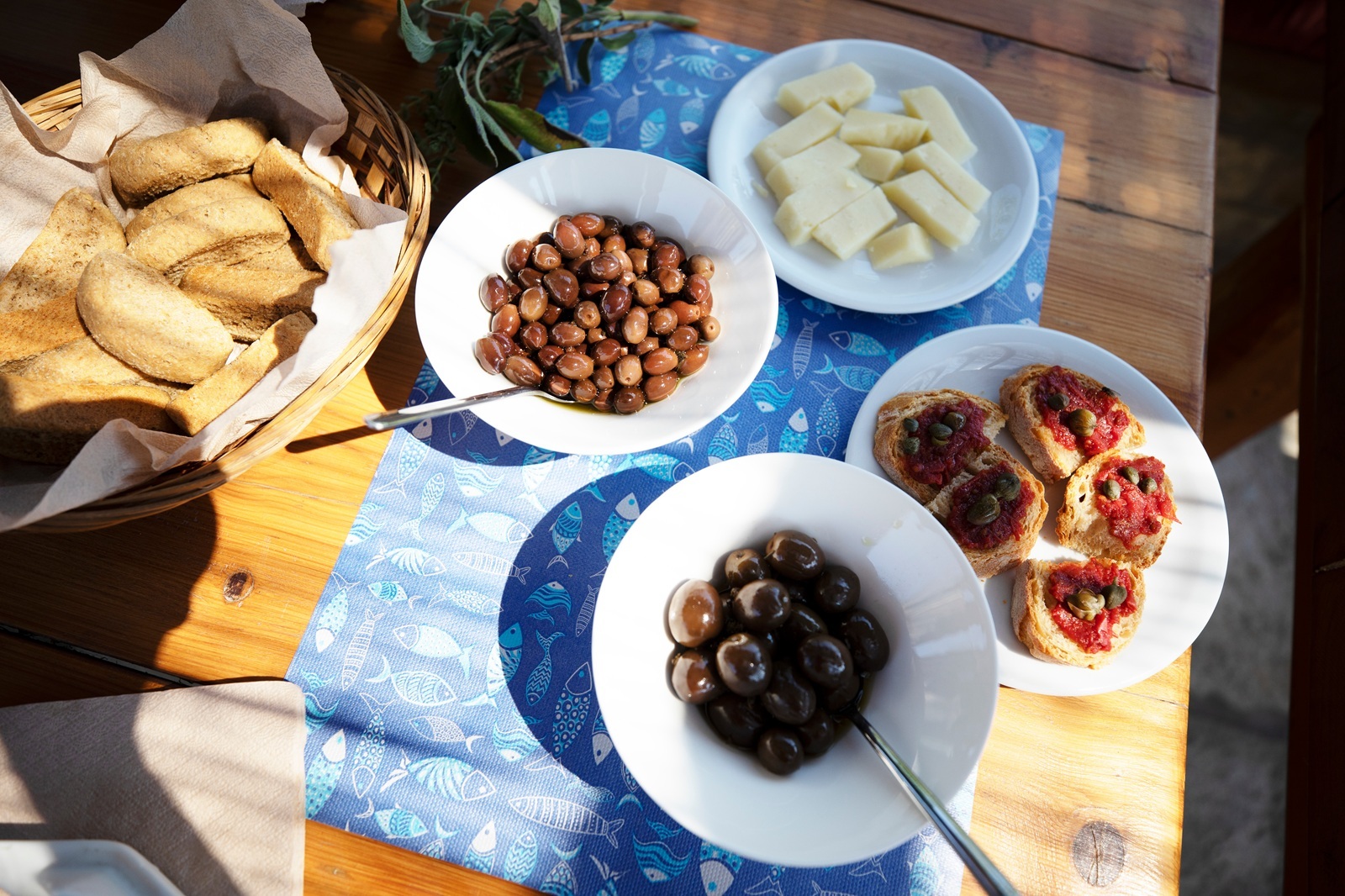
Where it is: Paros is in the heart of the Cyclades, the same island group as Santorini and Mykonos.
What's it famous for? Strangely enough, its perfect white marble. Both the Venus de Milo and Napoleon's tomb were carved from Paros marble. Classic Cycladean architecture, some cool shopping and gorgeous beaches are the island's other claims to fame. Its sleepy neighbor, Antiparos, also has a celebrity following. Actor Tom Hanks has a house here, as does former Bond star Pierce Brosnan.
Special discoveries: For seafood, head for Taverna Glafkos in the busy resort of Naousa, right on a pebbly beach and serving fish caught that morning. For a day at the beach, rent a car or hire a taxi to take you over to Chrissi Akti, one of Paros' most celebrated family-friendly beaches, to unwind, relax and bask in the warm Greek sunshine.
Syros
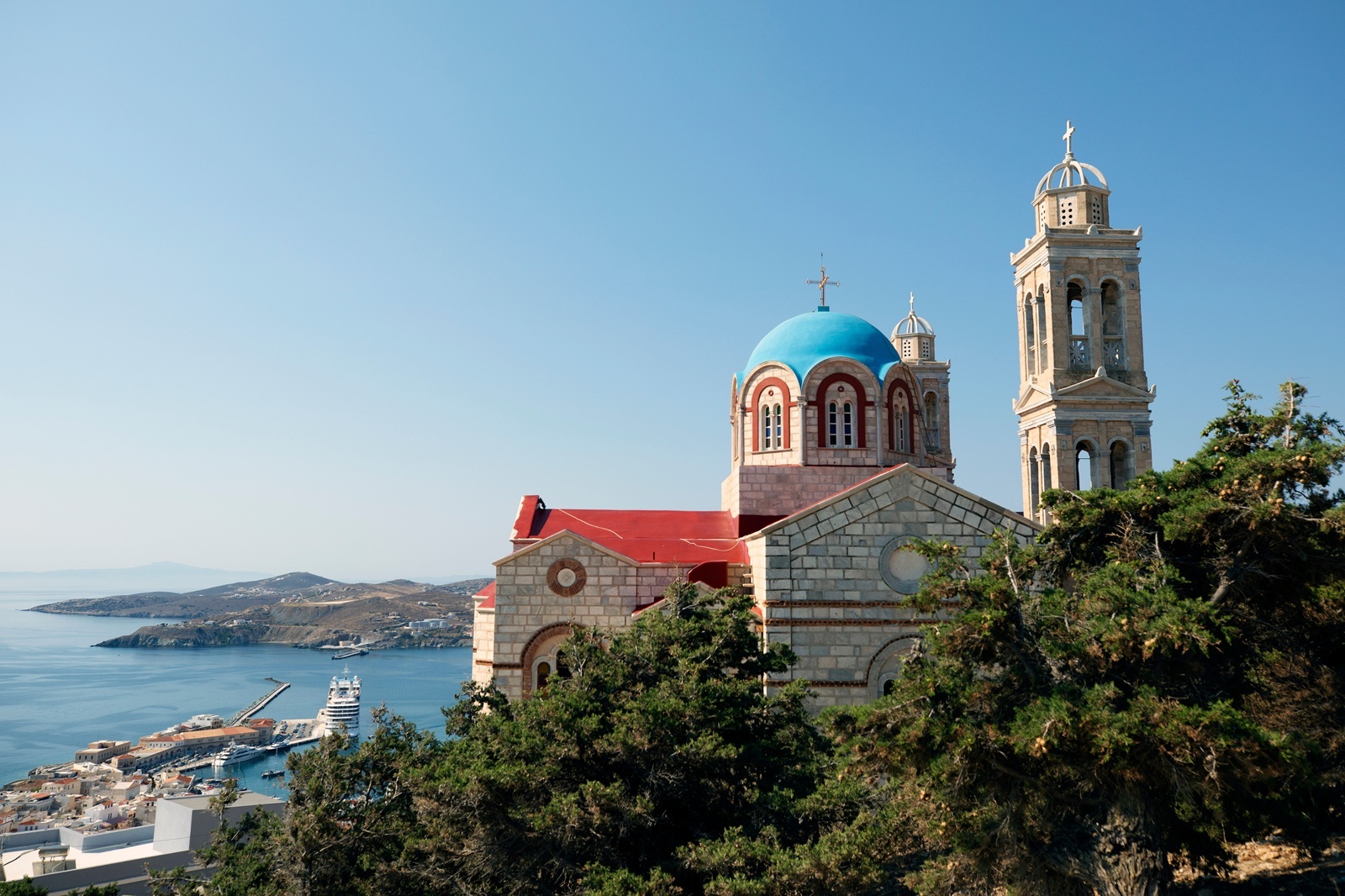
Where is it? The much-overlooked little island of Syros lies in the center of the ring of islands that make up the Cyclades group.
What's it famous for? Syros is particularly low-key in terms of tourism, which is all part of the charm. As the administrative capital of the Cyclades group, it's a surprisingly populous island, with a year-round buzz. The biggest draw is Ermoupoli, the capital, a jumble of gracious neoclassical and Venetian houses in pastel colors spilling over a hillside, all delicate, wrought iron balconies, painted shutters and sleepy squares.
Special discoveries: Ermoupoli is simply gorgeous to wander around. There's a tiny opera house, the Apollon Theatre, built in 1864 and modelled on Milan's La Scala. You'll want to pop in to St. Nicholas Church, with a distinctive yellow façade and brilliant blue dome, the inside gleaming with gilt, icons and glittering chandeliers. It's easy to see why locals dub it St. Nicholas the Rich. Agios Georgios Cathedral, perched on top of Ano Syros, the jumbled medieval quarter, is unusual in that it's Roman Catholic, rather than Greek Orthodox.
When you stop for your morning coffee, a lengthy, sociable process involving sitting and chatting with locals rather than drinking on the hoof, you'll be served loukoumi, a soft little bite of heaven dusted with icing sugar. This is an island specialty, although it's popular all over Greece.
Rhodes
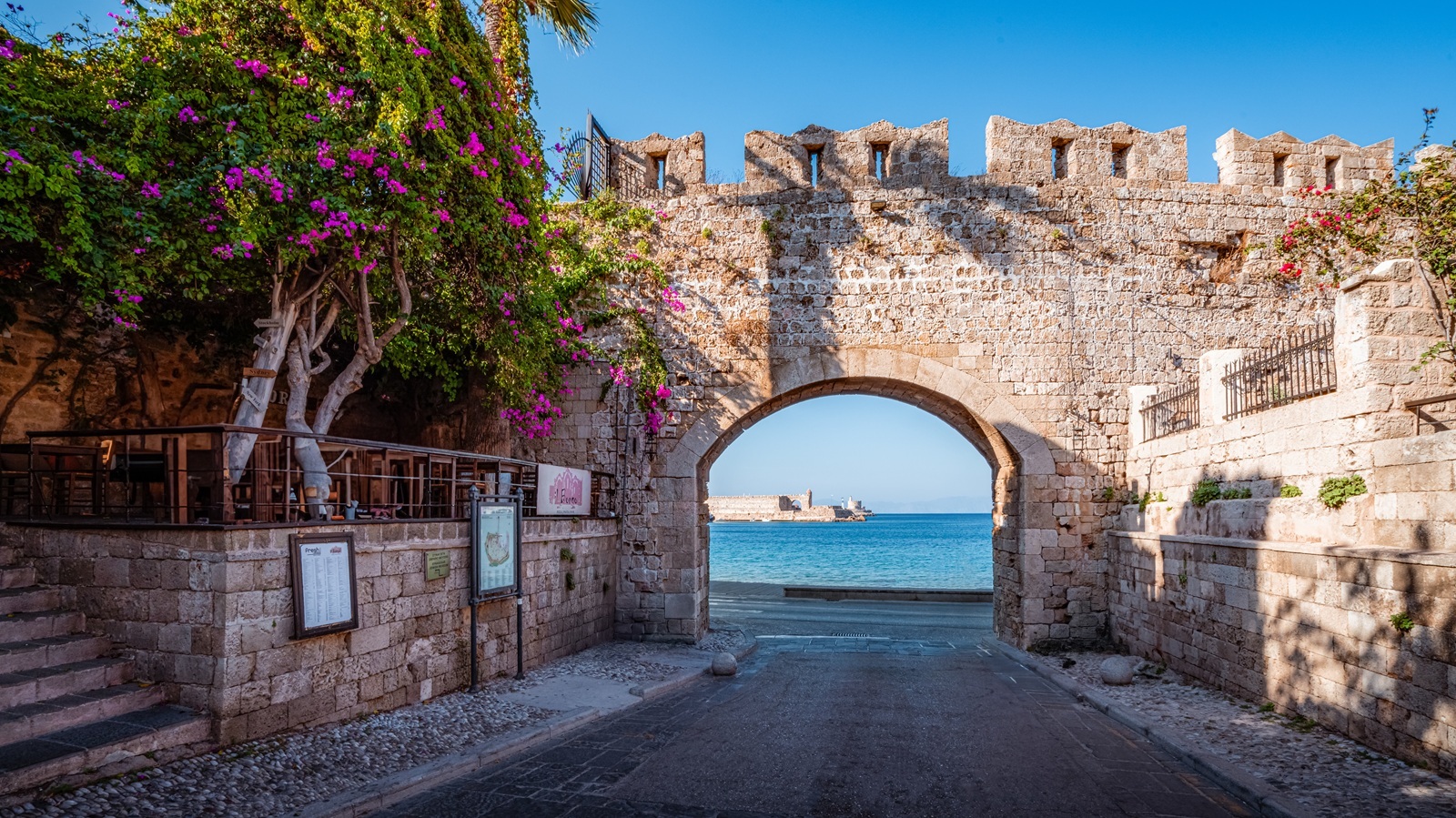
Where is it? Almost touching the Turkish coast, Rhodes is the principal island of the Dodecanese group.
What's it famous for? Crisscrossed by different civilizations throughout antiquity, Rhodes has seemingly endless claims to fame. The gorgeous Acropolis at Lindos dates from the fourth century BC and is worth a day trip, not least because Lindos itself is so pretty, a maze of narrow streets and once-grand mansions spilling over a hilltop. Nearby you'll find the circular bay where St. Paul was shipwrecked in 57 AD. You won't actually see Colossus of Rhodes, a massive bronze that straddled the entrance of Mandraki Harbor; it was built in 292 BC but was toppled by an earthquake less than 50 years later. The statue nonetheless made into the official list of the Seven Wonders of the Ancient World.
Special discoveries: My favorite historical sight is Ippoton, the smoothly polished Street of the Knights in Rhodes Town. Wait till late afternoon to head there, when the slanting light illuminates the austere façades of the Inns of each branch of the Knights Hospitaller, who ruled the island in the 14th century. In the mornings, the street is packed with tour groups but by late afternoon, you should have it to yourself, and it's like stepping back in time.
Patmos
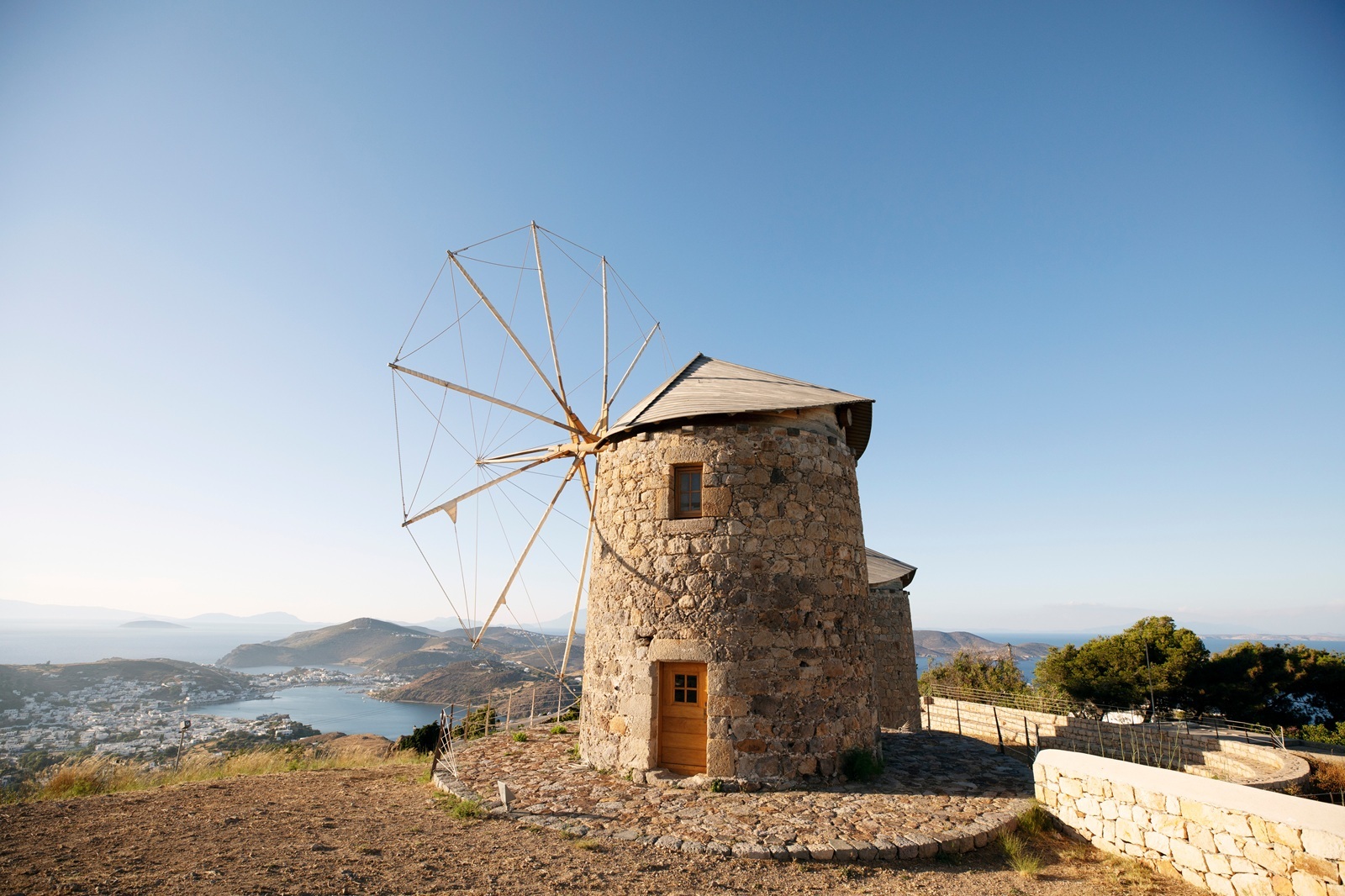
Where Is It? Patmos is a speck of an island in the Dodecanese group, off the coast of Turkey.
What's it famous for? This unassuming little island packs a massive historical punch. History states that following a vision, St. John wrote the doom-laden Book of Revelations in a cave here, the event marked with a massive, sprawling 11th century monastery on the hilltop, more fortress than sanctuary.
Special Discoveries: While you'll no doubt visit the monastery and the Grotto of the Apocalypse, Patmos has a more prosaic charm: shopping. Rich Athenians come to Skala, the little port town, for their fashion fix in stores like Thalasso, for Greek designers, or Iliotropio, a local institution selling floaty dresses, bags and hand-made leather sandals. For home décor, head for Talanto, a treasure trove of quirky objets d'art, wooden boats, antiques and jewelry.
Heraklion
Where is it? Heraklion is the capital of Crete, the southernmost of the Greek islands and the largest: 160 miles from west to east. The city is located roughly in the center of the island's north coast.
What's it known for? Just outside Heraklion, the remains of the 4,000-year-old Palace of Knossos is the island's biggest draw, world-famous thanks to the legend of Theseus and the Minotaur but also impressive in its grand scale and the role it played as the heart of the Minoan civilization. The city is guarded by a chunky Venetian fortress, although Heraklion itself is modern.
Special discoveries: In Heraklion, you'll certainly want to see Knossos, former residence of the great King Minos. Complete the puzzle with a visit to the Heraklion Archaeological Museum, its collection spanning 5,500 years and featuring some exquisite frescoes, as well as jewelry and delicate Minoan pottery. But don't see Heraklion as somewhere only defined by its antiquities. Crete food and hospitality are rightly famous, and the island has a distinctive cuisine; like nothing I've seen anywhere else in Greece, with ingredients I'd never heard of before I visited. You just have to trust the chef and let them guide you through the island's cuisine.
Most Recent
- CELEBRITY SHIPS IN ALASKA 2027
- Avalon Waterways: Cruising Elevated
- A Private Sanctuary at Sea: Experiencing Europe from The Haven Aboard Norwegian Epic
- Love on Every Horizon
- Virgin Voyages scores a third nomination for Travel + Leisure's World’s Best Awards.
Most Popular
- This Cruise Line Kicked Guests off a Cruise. Here's Why it's Good News for You and Cruise Travel
- Travel Companies Offering Free Vacations to Frontline Workers - and How You Can Get Involved
- 3 Travel Planning Tips in a Post-COVID World
- 8 Top Features to Look For in an All-Inclusive Resort
- Roundup of the NEW, COVID Insurance Options for Canadian Travellers


